Can Rhinoplasty Change Your Voice or Smile? What Patients Should Know
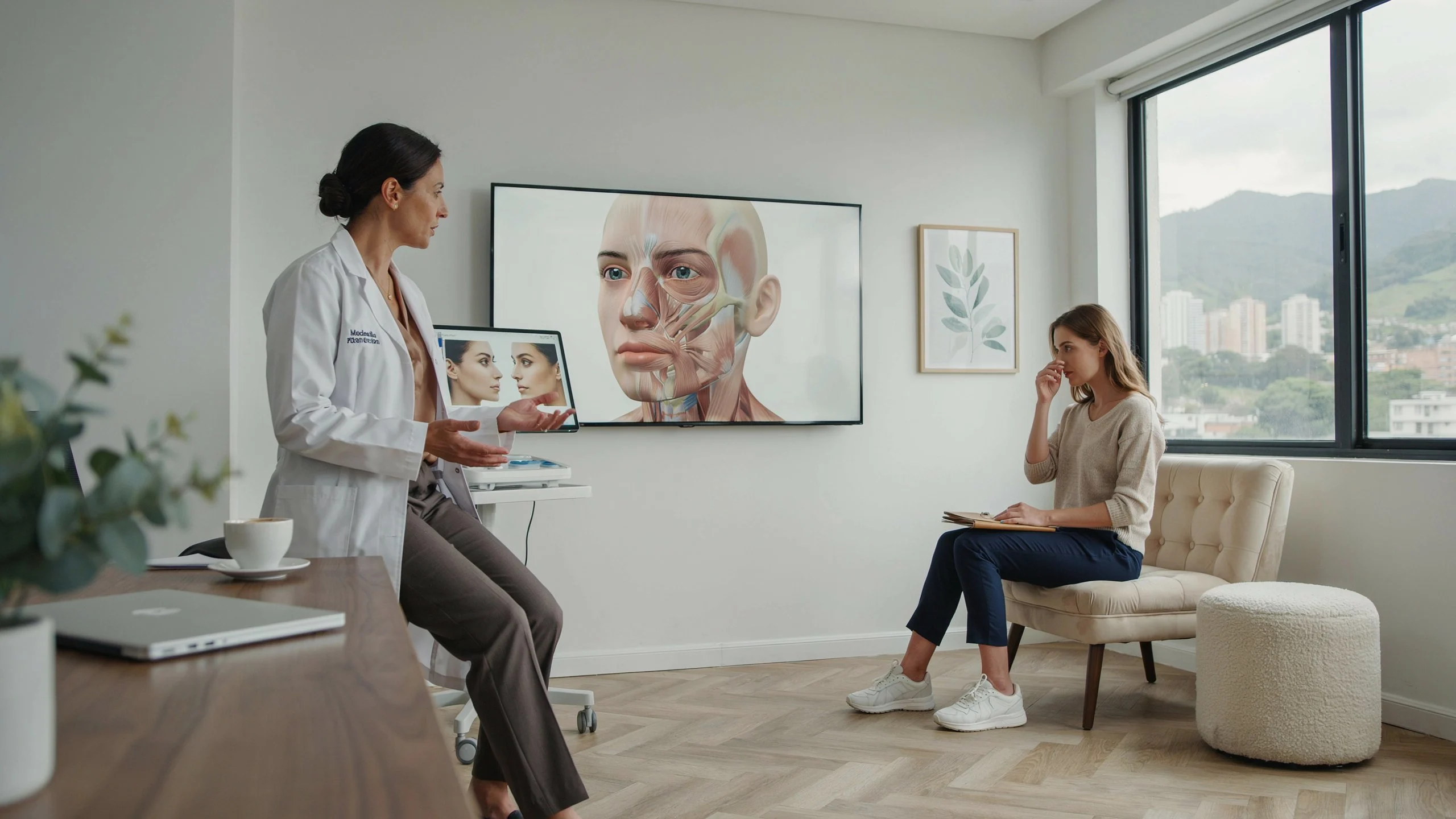
Rhinoplasty is one of the most personalized cosmetic procedures available today.
While many people focus on how their nose will look after surgery, it is also common to wonder how the procedure may affect other aspects of the face.
Questions such as ” Can rhinoplasty change your voice?” or “Can rhinoplasty change your smile?” are among the most frequently asked during consultations.
Whether you are considering rhinoplasty in Colombia to improve facial harmony, address breathing concerns, or refine a specific feature, knowing how surgery may influence facial movements, speech, and expressions can help set realistic expectations for recovery.
Can Rhinoplasty Change Your Voice Or Smile?
One of the biggest concerns among patients is whether rhinoplasty will alter the way they speak, smile, or express emotions.
The short answer is that rhinoplasty can temporarily affect both your voice and smile during recovery, but permanent changes are uncommon when surgery is performed by an experienced plastic surgeon.
The nose affects airflow, facial balance, and how nearby tissues move, so some patients notice small changes right after surgery.
These changes are usually due to swelling from rhinoplasty or changes in your smile, not permanent structural changes.
You may notice temporary changes in your speech while your nasal passages are swollen. Many people wonder if nose surgery affects how they talk, but in most cases, speech returns to normal as you heal.
Why Do Patients Notice Changes After Rhinoplasty
After rhinoplasty, you may experience swelling, bruising, or stiffness. These effects can alter facial movement and nasal airflow. Common reasons for these changes include:
- Swelling around your nose and upper lip
- Temporary tightness in your facial muscles
- Swelling inside your nose can affect how you breathe
- Tissues are healing and adjusting to the new shape of your nose
- Temporary changes in how your face looks or moves
These are considered normal nose job recovery effects and usually improve steadily over time.
Can Rhinoplasty Affect Your Smile?
Many patients are surprised when their smile appears different during the early recovery period. This is one of the most common concerns after surgery.
Swelling and muscle tightness
The muscles that help you smile are connected to the area near your nose and upper lip. After surgery, swelling can make the area feel tight and limit how much you can move it.
Because of this, you might notice:
- A stiff smile
- Restricted upper lip movement
- Changes in facial symmetry
- Trouble making exaggerated facial expressions
These changes are temporary and can make people worry about their facial expressions after rhinoplasty, but they are usually a normal part of healing.
When the smile returns to normal
For most patients, facial movement gradually improves as swelling decreases.
Everyone heals at their own pace, but many people start to see progress within a few weeks. As recovery goes on, facial movement usually becomes more natural and refined over the next several months.
Patients who are concerned about whether rhinoplasty can change their smile should remember that temporary changes during recovery are expected and do not typically indicate a long-term issue.
Can Rhinoplasty Change Your Voice?
Another common question is whether surgery can affect the way a person sounds when speaking.
Because the nose contributes to resonance and airflow, it is understandable why patients ask, Can rhinoplasty change your voice before scheduling surgery.
Rhinoplasty Swelling Timeline: What’s Normal?
Swelling is the longest-lasting part of recovery. Understanding the rhinoplasty swelling timeline helps patients avoid unnecessary worry.
- First month: About 60–70% of swelling typically subsides during the first month. The bridge often heals faster than the nasal tip.
- Three months: By this point, the nose looks significantly more refined. Photos start to reflect a visible improvement.
- Six months: Most patients feel comfortable with their appearance at this stage of the rhinoplasty recovery timeline.
- One year and beyond: Tiny residual swelling, especially in the tip, gradually disappears. This is when final contour details emerge.
At Dr. Zamir Páez’s clinic, patients are monitored throughout healing to ensure recovery progresses properly and naturally.
How nasal airflow affects sound
The nasal passages help shape how our voice sounds when we speak.
If swelling makes the nasal airway narrower for a short time, people might notice:
- Their voice sounds a bit more congested
- They may hear changes in how their voice resonates
- Speech may also sound less clear for a short time
These changes usually happen as part of the healing process and are not caused by lasting changes in the nose.
Temporary voice changes after surgery
During the early recovery period, internal swelling can affect airflow through the nose.
As a result, some patients experience:
- Mild nasal speech
- Temporary voice changes
- A feeling of congestion while speaking
This often leads patients to ask, ” Does nose surgery affect speech? The answer is that speech can sound slightly different during recovery, but these changes are usually temporary.
Most voice-related concerns improve naturally as swelling inside the nasal passages resolves.
When to be concerned
Although uncommon, patients should contact their surgeon if voice or breathing changes persist long after the expected healing period.
A thorough evaluation can determine whether residual swelling or another issue may be contributing to ongoing symptoms.
Fortunately, significant long-term voice changes following rhinoplasty are rare when surgery is carefully planned and performed.
Are These Changes Permanent?
In most cases, no.
While rhinoplasty side effects can include temporary swelling, stiffness, congestion, and changes in facial movement, these effects generally improve over time.
Permanent changes to smiling, speech, or facial expression are uncommon. Most patients find that their facial movements return to normal as healing progresses and swelling continues to resolve.
Understanding common rhinoplasty side effects can help patients distinguish between normal recovery experiences and concerns that may require medical attention.
How Long Does it take for Facial Movements to Normalize?
Recovery varies from patient to patient, but healing occurs in stages. Understanding the complete rhinoplasty recovery timeline can help patients know what to expect during each stage of healing and when facial movement typically returns to normal.
A general timeline may include:
- First few weeks: Noticeable swelling and restricted movement
- One to three months: Improved smile and facial flexibility
- Three to six months: More natural facial expressions
- Up to one year: Final refinement of nasal tissues and overall appearance
Because rhinoplasty, facial expressions can be affected by swelling during recovery, patience is an important part of the process. Most nose job recovery effects improve steadily as tissues settle and adapt.
How Surgeons Minimize Unwanted Changes
A successful rhinoplasty is about more than just changing the shape of the nose. It also means keeping the nose working well, making sure it fits the face, and allowing for natural movement. Experienced surgeons pay close attention to several important factors:
- They work to keep facial muscles functioning as they should,
- Make sure you can breathe easily through your nose,
- use careful and precise surgical methods,
- and aim for results that look balanced and natural.
- They also create treatment plans tailored to each person.
By carefully planning each procedure, surgeons can reduce the likelihood of prolonged rhinoplasty side effects while supporting a smooth recovery.
Dr. Zamir Páez - Experienced Rhinoplasty Surgeon
When patients ask can rhinoplasty change your voice or ” Can rhinoplasty change your smile, they deserve answers based on experience, precision, and personalized care.
Many international patients also compare rhinoplasty cost in Colombia vs USA before choosing the right surgeon and planning their treatment.
Dr. Zamir Páez is an internationally recognized plastic surgeon known for delivering natural-looking results through advanced surgical techniques and individualized treatment plans.
His experience at leading institutions, including The Royal Melbourne Hospital in Australia and Cosmesurge in Dubai, has helped him refine an approach that prioritizes both aesthetic excellence and patient well-being.
Combined with the Joint Commission International-accredited surgical facilities of IQ Interquirofanos, patients benefit from a high standard of safety, innovation, and personalized attention throughout every stage of treatment.
Patients travelling from abroad should also understand the safety standards, regulations, and accreditation that make plastic surgery in Colombia a trusted option.

FAQs- Frequently Asked Questions
Permanent changes to your smile are uncommon. Most differences noticed after surgery are related to swelling, tissue healing, and temporary muscle tightness.
In most cases, no. Temporary changes may occur during recovery, but long-term voice changes are rare when nasal function is properly preserved.
Swelling around the nose and upper lip can temporarily affect facial movement, making the smile appear different during the early healing phase.
Swelling can influence facial expressions for several weeks or months. Improvements typically occur gradually as healing progresses.
Yes, temporary changes in speech may occur due to internal nasal swelling. Most patients notice improvement as airflow returns to normal during recovery.
While noticeable improvements often occur within a few months, final healing and refinement can continue for up to a year after surgery.
Dr. Zamir Páez Eid Mojica
About the Author
Dr. Zamir Páez Eid Mojica
Board-Certified Plastic, Reconstructive & Aesthetic Surgeon
- Internationally Certified Plastic Surgeon
- 10+ Years of Experience
- Specialist in Advanced Body Contouring & Facial Aesthetics
- Practicing in Colombia & Dubai
- Co-Founder of BodyCraft Academy
Dr. Zamir Páez Eid Mojica is an internationally recognized plastic, reconstructive, and aesthetic surgeon known for delivering natural-looking results through advanced surgical techniques and personalized patient care. With over a decade of experience, he specializes in body contouring, mommy makeover procedures, breast surgery, rhinoplasty, facial rejuvenation, and HD liposculpture for patients across the Middle East and internationally.
Internationally trained at renowned institutions including The Royal Melbourne Hospital in Australia, Dr. Zamir combines surgical precision, innovation, and artistic balance to create refined aesthetic outcomes tailored to each patient. He is also the co-founder of BodyCraft Academy, where he contributes to the global education and training of plastic surgeons.
Medical Disclaimer
This article is intended for informational and educational purposes only and should not be considered medical advice, diagnosis, or treatment. Always consult a qualified healthcare professional regarding any medical or aesthetic concerns before undergoing any procedure.
Medically reviewed by Dr. Zamir Páez Eid Mojica, Board-Certified Plastic, Reconstructive & Aesthetic Surgeon.
