Which Specialists Offer Correction of Previous Rhinoplasties With a Reconstructive Approach?
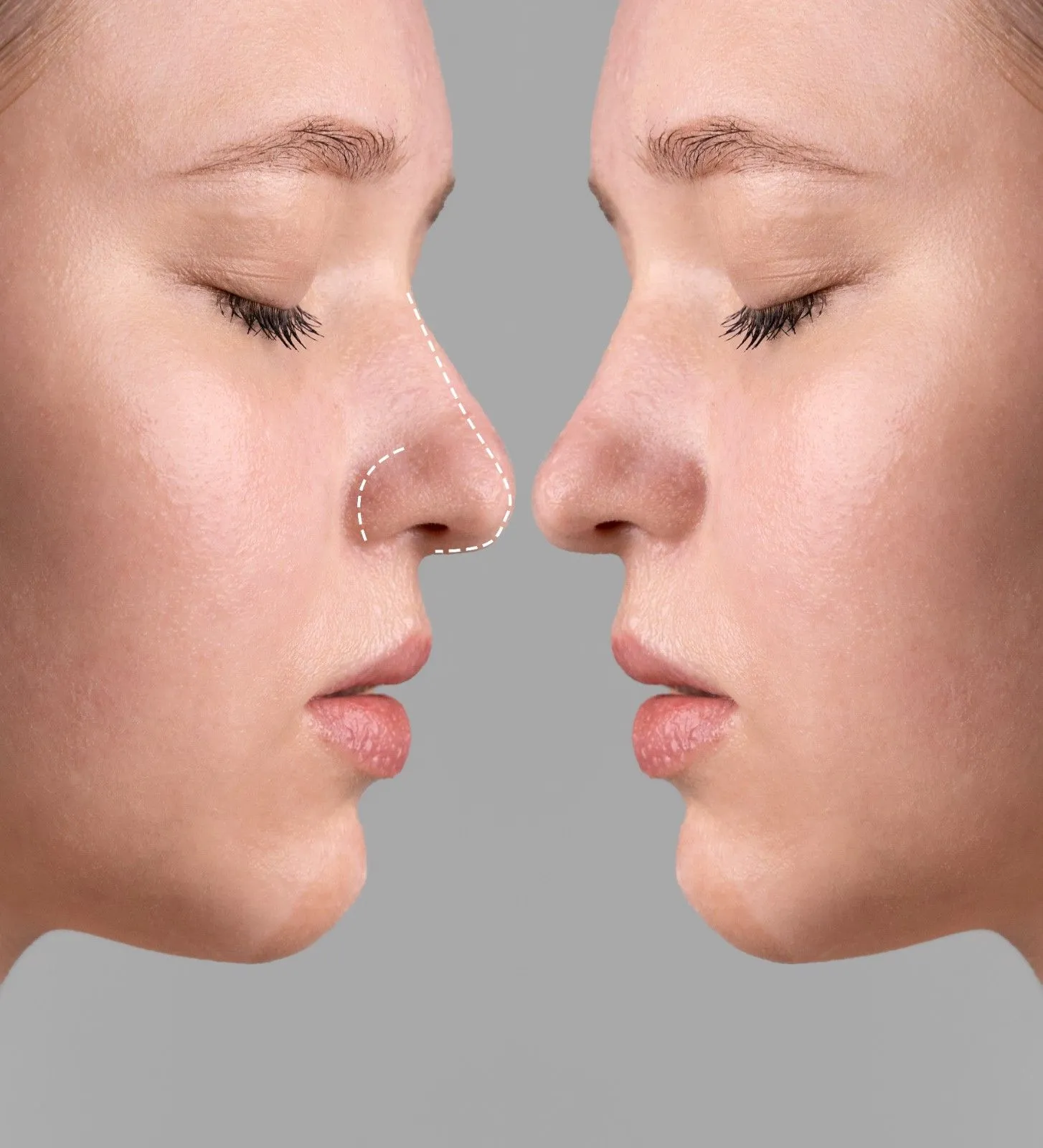
Rhinoplasty is a complex surgical procedure that requires careful evaluation, technical skill, and guidance. While many patients achieve satisfying results after their first procedure, others may experience functional problems, aesthetic dissatisfaction, or structural complications that only become apparent over time.
Correcting a nose that has already undergone surgery is far more demanding than performing a primary functional and aesthetic nasal surgery. These cases require a reconstructive mindset, a deep understanding of nasal anatomy, and a level of precision developed through experience. This is where specialists trained in revision and reconstructive rhinoplasty play a critical role.
Unlike first-time nose surgery, revision procedures involve working with scar tissue, altered structured, and cartilage that may no longer provide adequate support. The task is technically demanding and requires both expertise and judgment. Patients seeking correction need more than a simple adjustment—they need clear guidance, realistic expectations, and care from surgeons experienced in secondary and reconstructive nasal surgery.
Why Is Secondary Nose Surgery More Complex Than a First Rhinoplasty?
Secondary nose surgery, commonly known as revision rhinoplasty, is performed to address concerns that remain after a previous procedure. These concerns may be aesthetic, functional, or a combination of both, and they often require a reconstructive approach rather than cosmetic refinement alone.
Patients may seek revision surgery due to –
- Difficulty breathing or persistent nasal blockage
- Noticeable asymmetry or uneven contours
- Collapse or over-removal of nasal cartilage
- Results that don’t meet expectations
- Scar tissue that affects the nose’s strength or support
Once surgery has been performed, the anatomy is no longer untouched. Structures may be weakened, altered, or less predictable to manage surgically. This is why experience in reconstructive techniques is essential—specialists focus on rebuilding internal support while preserving or restoring the nose’s appearance.
Why Are Revision Rhinoplasty Specialists Important for Long-Term Results?
Not all plastic surgeons are equipped to manage revision rhinoplasty cases. Specialists in this area focus specifically on correcting prior surgical outcomes, often addressing compromised cartilage, altered blood supply, and reduced structural stability.
What distinguishes revision rhinoplasty specialists includes –
- Advanced understanding of nasal anatomy and healing patterns
- Expertise in cartilage grafting and structural reinforcement
- Ability to balance aesthetic refinement with breathing function
- Experience managing scar tissue and weakened nasal support
Choosing the right specialist significantly improves safety and long-term results, particularly when revision surgery represents the final opportunity to restore nasal integrity.
How Do Reconstructive Rhinoplasty Experts Restore Nasal Structure?
True correction goes beyond surface-level appearance. Reconstructive rhinoplasty experts approach revision surgery as a process of structural rebuilding using advanced rhinoplasty techniques to restore the internal framework of the nose before refining its external form.
Reconstructive techniques may involve:
- Cartilage grafting from the septum, ear, or rib
- Rebuilding nasal valves to improve airflow
- Reinforcing weakened or collapsed nasal bridges
- Correcting over-rotated, pinched, or drooping tips
Reconstructive nasal surgery prioritizes stability and function, ensuring that aesthetic improvements are supported by a strong and healthy internal structure.
Who Should Perform Complex Revision Rhinoplasty?
Some revision cases are particularly challenging due to multiple prior surgeries, trauma, or significant structural damage. These situations require the expertise of complex rhinoplasty surgeons who are trained to manage high-difficulty cases with precision and foresight.
Patients who may benefit from complex revision expertise include those with:
- More than one previous rhinoplasty
- Severe scarring or tissue loss
- Breathing impairment caused by internal collapse
- Congenital conditions or trauma-related nasal deformities
Such cases demand meticulous surgical planning, longer operative times, and a surgeon with both reconstructive and aesthetic mastery.
How Is Revision Nose Surgery Planned on a Case-by-Case Basis?
No two revision cases are identical. Successful correction begins with a thorough consultation, detailed assessment, and a clear understanding of both the patient’s concerns and the anatomical limitations resulting from prior surgery.
A personalized surgical strategy typically includes:
- Thorough nasal examination (internal and external)
- Discussion of realistic goals and outcomes
- Customized surgical planning
- Clear explanation of recovery timelines
Patients seeking revision nose job correction should expect a collaborative process focused on achieving harmony, function, and long-term stability rather than perfection.
What Should Patients Expect from Reconstructive Nasal Surgery?
Reconstructive nasal surgery is often more involved than primary rhinoplasty and requires patience during the healing and recovery after nose surgery. Swelling may persist longer, and final results can take up to a year to fully develop.
General expectations include:
- Surgery performed under general anesthesia
- Use of grafts to rebuild and support nasal structure
- Gradual improvement in both appearance and breathing
- Extended follow-up to monitor healing and outcomes
Although recovery may take longer, reconstructive nasal surgery offers patients a renewed sense of confidence, comfort, and facial balance when performed by experienced hands.
Trust Dr. Zamir Páez for expert revision rhinoplasty care - Rebuilding confidence through reconstructive excellence
When experience, precision, and compassion matter most, Dr. Zamir Páez stands out among leading revision rhinoplasty specialists and reconstructive rhinoplasty experts.
His patient-centred approach ensures every procedure is designed not just to correct, but to restore confidence and quality of life.
Take the first step toward lasting results—schedule your personalized consultation with Dr. Zamir Páez today.

FAQs- Frequently Asked Questions
A rhinoplasty may be considered unsuccessful if it results in breathing difficulties, visible deformities, asymmetry, or dissatisfaction with appearance that persists after healing.
Yes. When performed with a reconstructive approach, revision rhinoplasty can address internal structural issues that restrict airflow and contribute to breathing difficulties.
Most surgeons recommend waiting at least 12 months after the initial surgery to allow swelling to fully resolve and tissues to stabilize.
Yes. Revision procedures are more complex due to scar tissue, altered anatomy, and limited cartilage, requiring advanced surgical expertise.
Look for a surgeon with dedicated experience in revision and reconstructive rhinoplasty, not only primary cosmetic cases. A strong specialist evaluates airflow (nasal valves, septum, dynamic collapse) together with shape and facial balance. During consultation, they should explain the structural problem, the surgical strategy (often rebuilding support before refining appearance), and realistic limitations based on scar tissue and available cartilage. Review comparable before-and-after cases and standardized photography. The goal is long-term stability, improved function, and natural aesthetics—rather than minor “touch-ups.”
Planning typically includes a detailed external and internal nasal exam to assess symmetry, tip and bridge support, skin thickness, scarring, and—most importantly—nasal valve function and airflow. Your surgeon should review prior surgical history and, when possible, previous photos. In selected cases, deeper intranasal assessment and additional testing may be considered based on symptoms and anatomy. A thorough evaluation helps define what is achievable, which structures must be reinforced, and how to minimize risk while improving both breathing and appearance.
Cartilage grafts are often essential in revision cases to rebuild support and improve both airflow and shape. If septal cartilage is still available, it may be used first. When it’s limited due to prior surgery, surgeons may use ear cartilage for targeted support and contour, or rib cartilage when stronger, larger structural grafts are needed—such as significant bridge collapse or multiple prior rhinoplasties. The best source depends on your anatomy, the degree of structural damage, and the reconstructive goals, with long-term stability and safety as priorities.
Many patients describe reduced airflow when inhaling, one nostril “pinching” closed, mouth-breathing at night, or persistent blockage that doesn’t improve over time. These symptoms don’t confirm a diagnosis on their own, but they can suggest nasal valve compromise or septal changes after surgery. Confirmation requires a specialist exam, including internal inspection and functional assessment of support during breathing. In reconstructive revision rhinoplasty, the priority is restoring the internal framework—especially valve stability—before focusing on fine cosmetic refinement.
With multiple prior surgeries, cartilage may be scarce and scar tissue more significant, making tissues less predictable. Even so, a reconstructive approach can often improve breathing, support, and overall harmony—especially when collapse or structural deformity is present. The realistic goal is meaningful, stable improvement rather than perfect symmetry. A qualified revision surgeon should explain which changes are achievable, what is limited by tissue quality, and why structural grafting may be necessary. Clear expectations and careful planning are key to a safe, durable outcome.
Recovery is often longer in revision rhinoplasty than in primary cases. Early swelling improves over the first weeks, but refined definition—particularly in the tip—may take many months. Final stabilization commonly approaches 9–12 months, depending on skin thickness, scarring, and the amount of reconstructive work performed. Breathing may improve gradually as swelling subsides and structural support heals into place. Consistent follow-up is important to monitor healing, symmetry, and long-term stability of the reconstructed nasal framework.
