The Best Age for Plastic Surgery: What Experts Want You to Know?
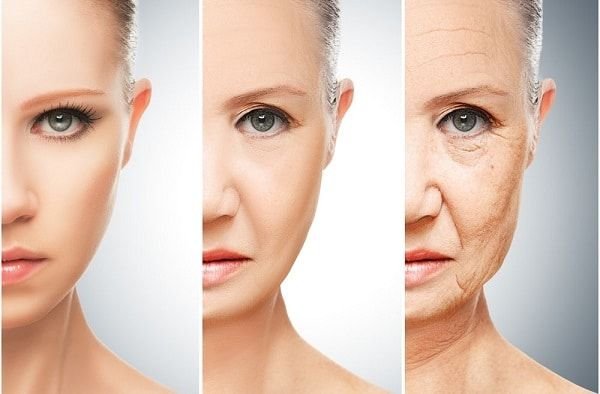
Deciding when to undergo plastic surgery is deeply personal, and there is no one-size-fits-all answer. While age is often a discussion point, experts agree that the best age for plastic surgery depends on individual anatomy, emotional readiness, procedure type, and realistic goals.
1- Early teens (Rhinoplasty, Otoplasty, Breast reduction)
Once physical development is almost finished, certain procedures might be appropriate:
- Rhinoplasty is commonly performed on girls aged 16+ and boys aged 17+, once nasal bone growth is finished.
- Otoplasty (ear reshaping) may be done as early as age 5, depending on maturity and need.
Elective surgery under 18 typically requires parental consent and careful psychological evaluation.
2- Early 20s: Addressing long‑standing concerns
By their early 20s, most individuals have reached full physical maturity, making procedures like rhinoplasty or breast augmentation safe and effective. These surgeries are often pursued to address vanity or longstanding self-esteem issues, and treating earlier rather than later can help improve results.
3- 30s to early 40s: Fine-tuning and maintenance
This age group tends to focus on subtle enhancements and preventative treatments:
- Dermal fillers, Botox, and Liposuction are popular for smoothing fine lines, restoring facial volume, and eliminating stubborn fat before significant aging.
- Skin elasticity is still good this decade, enhancing outcomes and enabling more natural, youthful results.
4- Mid-40s to 60s: Facial rejuvenation and body contouring
Surgical options like facelifts, eyelid lifts, and body contouring become important as aging symptoms like jowls, wrinkles, and sagging appear:
- The most noticeable yet natural-looking results from facelifts occur between the ages of 45 and 60.
- Early-intervention facelifts, which result in minor adjustments prior to more significant aging, may be advantageous for people in their late 30s to early 40s.
5- 60s and beyond: Rejuvenation with maturity
Aesthetic procedures are still beneficial for patients over 60:
- While there may be decreased elasticity, facelifts and necklift options still offer noticeable improvement in contour and firmness.
- Studies show complication rates are similar for older and younger patients when health conditions are controlled.
Ultimately, as long as health permits and expectations are realistic, plastic surgery at older ages remains a viable option.
Factors that Matter More than Age
Experts advise focusing on lifestyle, health, skin quality, and anatomy rather than age. Important things to think about are:
- Skin elasticity and collagen levels
- Body proportion and bone structure
- Personal aesthetic goals
- Long‑term plan (e.g., preventing more invasive procedures later)
- Emotional and psychological readiness
Why Timing Matters for Plastic Surgery?
- Waiting too long may limit results and require more invasive procedures to achieve similar outcomes.
- Going too early can lead to unnecessary surgery, increased likelihood of revisions, or unsatisfactory results.
- A trusted surgeon, like Dr. Zamir Paez, helps assess current anatomy, long-range maturity, and facial changes, ensuring optimal timing for long-lasting, natural results.
What is the Best Age for Plastic surgery?
| Age Range | Common Procedures | Considerations |
|---|---|---|
|
Teens (16–18) |
Rhinoplasty, otoplasty, breast reduction |
Physical maturity, parental consent, and emotional readiness
|
|
20s |
Rhinoplasty, breast augmentation |
Address lasting aesthetic concerns, body fully developed |
|
30s – 40s |
Fillers, Botox, liposuction |
Early maintenance, minimal downtime, youthful preservation
|
|
45 – 60 |
Facelift, eyelid surgery, tummy tuck |
Facial aging is evident, skin laxity is still favorable
|
|
60+ |
Rejuvenation surgery if healthy |
Medical screening, realistic goals, similar complication risk |
Expert Takeaways
- There isn’t a single ideal age; timing, objectives, and health are everything.
- Specific procedures have age benchmarks, but individual assessment is essential.
- Non-invasive treatments offer valuable options for younger patients or those seeking subtle improvements.
- Older patients can achieve excellent outcomes with careful evaluation and medical optimization.
The ideal age for plastic surgery isn’t a number – it’s a combination of emotional readiness, physical health, and personal goals.
Whether you’re in your 20s, aiming for subtle enhancements, in your 40s focusing on preventative aging, or in your 60s seeking rejuvenation, what truly matters is having it done for you. With the proper guidance and realistic expectations, transformative yet natural results are possible at any stage of life.
Schedule a private consultation with Dr. Zamir Paez today if you’re considering a procedure – whether rhinoplasty, facelift, breast surgery, or body contouring.
Dr. Zamir Paez, a board-certified plastic, reconstructive, and aesthetic surgeon, brings over a decade of specialized experience. Recognized as a leading authority in plastic surgery, Dr. Zamir Paez is known for delivering personalized results through safe and effective techniques.
He’ll help you explore your options and determine the right time and treatment plan for the most confident, natural-looking version of yourself. Book an appointment now.
FAQ's
There is no single “perfect age” that works for everyone. More important than the number of birthdays is the combination of overall health, skin quality, stability of your body shape, emotional maturity, and clear goals. Some procedures are better suited to specific age ranges, but every case must be individualized. The best time is when your body is ready, your medical conditions are optimized, and you are making a well-informed decision with realistic expectations in partnership with a board-certified plastic surgeon.
For aesthetic rhinoplasty, timing is based not only on self-image but also on completion of nasal growth. In general, surgery is considered from around age 16 in girls and 17 in boys, though this may vary with individual development. Emotional impact also matters: correcting a long-standing concern can improve confidence if expectations are realistic. Before recommending surgery, a surgeon like Dr. Zamir evaluates nasal anatomy, breathing function, emotional readiness, and family support to ensure that the moment is truly safe and appropriate.
Advanced age alone is not an absolute contraindication. Patients over 60 can safely benefit from facelift, eyelid surgery, or body contouring when their health is stable and thoroughly evaluated. The key is rigorous pre-operative assessment: lab tests, cardiac clearance, control of chronic diseases, and careful adjustment of medications. When these aspects are optimized and surgery is performed by an experienced surgeon in accredited facilities, studies show complication rates similar to those in younger patients, always with individualized planning and strict safety protocols.
Beyond age, key elements include skin elasticity, tissue quality, body proportions, smoking or alcohol habits, weight stability, and underlying medical conditions. Your motivation is also crucial: decisions driven by personal well-being differ from those based on external pressure. A specialized surgeon assesses anatomy, lifestyle, and long-term goals to recommend the best timing. In many cases, improving skin care, sleep, and weight before surgery enhances safety, shortens recovery, and helps achieve more natural, long-lasting results aligned with your stage of life.
Emotional readiness means having realistic expectations, understanding risks, and knowing that surgery can enhance appearance but not solve deep emotional conflicts. Positive signs include deciding for yourself, not to please others; accepting the recovery process; and wanting a better version of you, not someone else’s face or body. If you have a history of severe anxiety, depression, or body dysmorphic tendencies, it is important to discuss this openly with your surgeon and, when needed, involve a mental-health professional before moving forward.
Yes. For many patients, especially in their 30s and 40s, treatments such as botulinum toxin, fillers, collagen stimulators, lasers, or energy-based devices help smooth lines, restore volume, and improve skin quality. These options can delay the need for a facelift or reduce the extent of future surgery. However, they cannot fully replace surgery when structural laxity is advanced. During consultation, Dr. Zamir designs a stepwise plan that starts with preventive, minimally invasive treatments and, when needed, progresses to surgery to maintain balanced, long-term rejuvenation.
Having surgery too early may lead to more revisions across your lifetime, while waiting too long can require more extensive procedures to achieve similar changes. The ideal timing balances aesthetic benefit, tissue quality, and overall health. For example, a facelift performed when sagging is moderate often looks more natural and can last longer than one done in cases of very advanced aging. During your evaluation, Dr. Zamir reviews how your face is likely to age and recommends the timing that maximizes longevity and minimizes the need for future touch-ups.
In younger patients, physical and emotional health are the priority. Procedures such as otoplasty or breast reduction may be appropriate when there is significant functional or psychological impact. Parental consent, emotional maturity, and stable motivations are essential. It is important to rule out temporary social pressure, fleeting trends, or unrealistic expectations. The surgeon must clearly explain non-surgical options, benefits, and limitations of the procedure. The goal is to address a persistent, well-documented problem, not to respond impulsively to short-term insecurities or external demands.
An internationally experienced surgeon is used to evaluating patients from different age groups, cultures, and lifestyles, which enriches decision-making about timing. Virtual consultations allow you to discuss concerns, medical history, and goals before traveling. Working between Colombia and Dubai, Dr. Zamir uses these sessions to determine whether it is best to operate now, first optimize skin and weight, or design a medium-term plan. This approach gives you clear guidance on when surgery will be safest, most effective, and aligned with your personal and logistical reality.
Reconstructive training provides deeper understanding of anatomy, healing, and long-term tissue behavior. A surgeon skilled in both aesthetic and reconstructive procedures, like Dr. Zamir, evaluates not only how an area looks today but how it will function and age over time. This is crucial when choosing the right age and technique: it allows adaptation to your build, previous surgeries, scars, and future changes. The result is a more personalized strategy that aims for natural, stable outcomes, avoiding overly aggressive or unnecessary procedures for your stage of life.
